
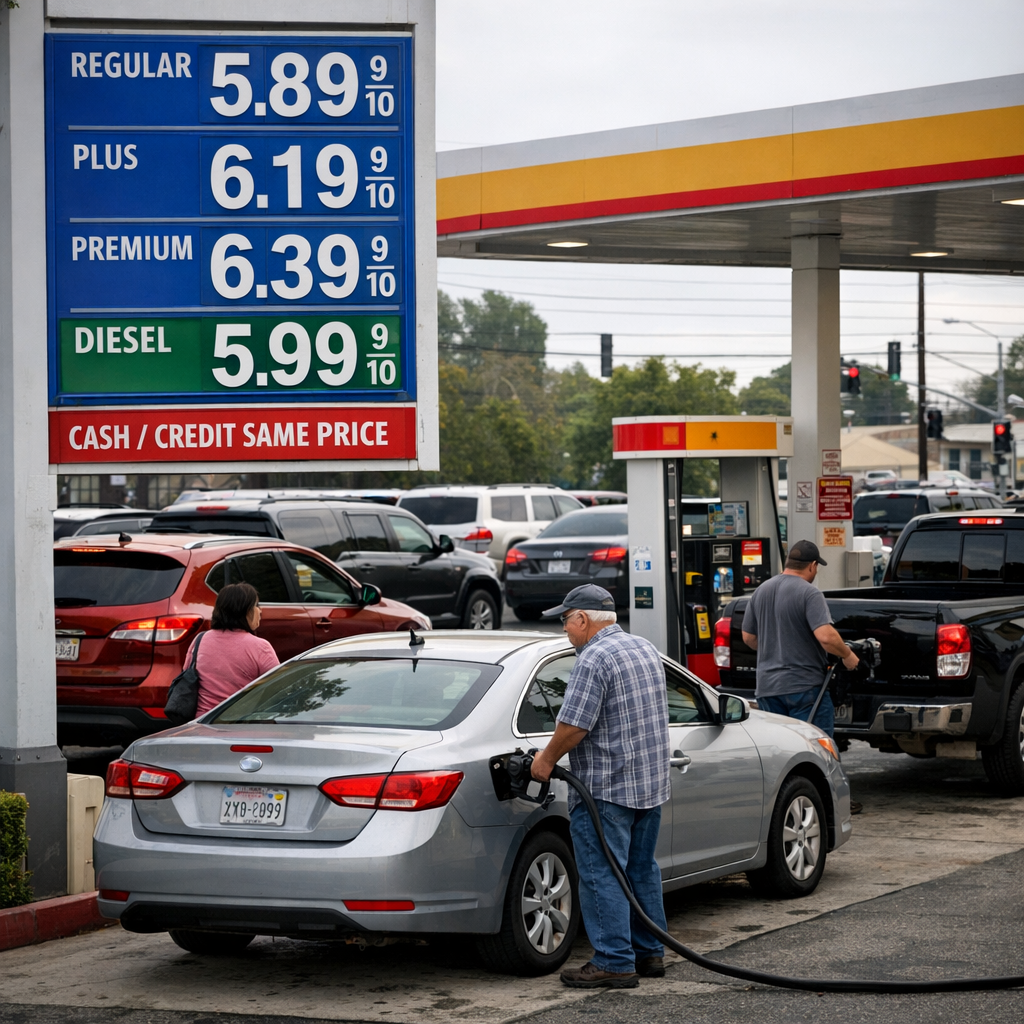
Recent developments in the U.S. economy have sparked widespread concern among citizens and policymakers alike. Inflation rates have surged, with April’s figures reaching 3.8%, the highest in three years. This uptick is largely attributed to escalating energy costs following the military conflict with Iran, which led to the closure of the Strait of Hormuz. Consequently, national average gas prices have soared above $4.50 per gallon, with some states experiencing prices exceeding $5.
The economic strain is palpable among the populace. A CBS News/YouGov poll conducted from May 13-15, 2026, revealed that 70% of Americans feel “angry” or “frustrated” about the current economic situation. Only 11% expressed enthusiasm, and 19% reported satisfaction. Notably, 65% of respondents believe that recent policies are exacerbating the economy in the short term, and 50% fear long-term detrimental effects.
In response to these challenges, the administration has proposed measures such as a gas tax holiday to alleviate the financial burden on consumers. However, this proposal has encountered resistance from key legislators concerned about the potential impact on federal funding.
As the nation approaches the midterm elections, these economic issues are poised to play a pivotal role in shaping voter sentiment and influencing the political landscape.